By
Thursday,
January 17, 2019 5:42 pm
Over the
past couple of weeks there have been many people with binoculars and cameras
gathered around the lane into Nottinghamshire Wildlife Trust’s Attenborough
Nature Reserve.
But what
have a few bushes got that the 145 hectares of nature reserve hasn’t?
Weighing
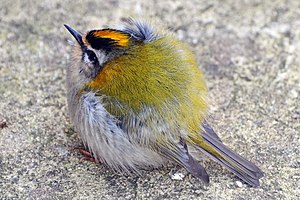
around the same as a 10p coin, the Firecrest holds joint position with its
relative the Goldcrest for the smallest bird in Europe. To the untrained eye
they may look similar, but there are a few distinguishing features that set
them apart. The black eye stripe and white markings above the eye are only
present in the Firecrest, but the most notable difference is their bright
orange crown.
They
rarely stay still, so look out for the flash of orange that can be seen darting
through branches whilst they catch insects and spiders to eat.
Firecrests
are undeniably a charming bird to watch but why is this one in Nottinghamshire
attracting so much attention?
Firecrests
are much rarer than the Goldcrest and don’t often visit this area of the
country, with only 15 records at Attenborough Nature Reserve since 1974.
In the
past Firecrests were simply passage migrants, meaning they would only stop in
the UK during their spring and autumn migration, a sort of pit stop if you
like, on their way to the warmth of Southern Europe and North-west Africa.
This bird
travels from Eastern Europe and despite its small size crosses the blustery
North Sea before taking a well-earned break in the UK. However, in 1962 the
first record of them breeding in the UK was made in the south of the country.
Although they haven’t stayed in Nottinghamshire to breed, chances are this
fiery visitor could well be spending the winter with us. The last Firecrest at
the reserve was in 2016 and is thought to have stayed in the area throughout
the colder months.
It seems
that this particular Firecrest has chosen the bushes along Barton Lane for its
winter stay, if you want to catch a glimpse yourself, head to Attenborough
Nature Reserve and keep an eye out along Barton Lane, just before the level
crossing.
If the
bird is nearby there are likely to be at least a few people waiting to see it
too, but as any birdwatcher will tell you – prepare to be patient and it’ll be
well worth the wait.
For more information about the Firecrests and Nottinghamshire Wildlife Trust’s nature reserves visit www.nottinghamshirewildlife.org.