As regular CFZ-watchers will know, for some time Corinna has been doing a column for Animals & Men and a regular segment on On The Track... particularly about out-of-place birds and rare vagrants. There seem to be more and more bird stories from all over the world hitting the news these days so, to make room for them all - and to give them all equal and worthy coverage - she has set up this new blog to cover all things feathery and Fortean.
Showing posts with label re-introduction. Show all posts

Friday, 28 April 2017

Shhhhh: small, 'secretive' birds transferred back to Porirua wetland

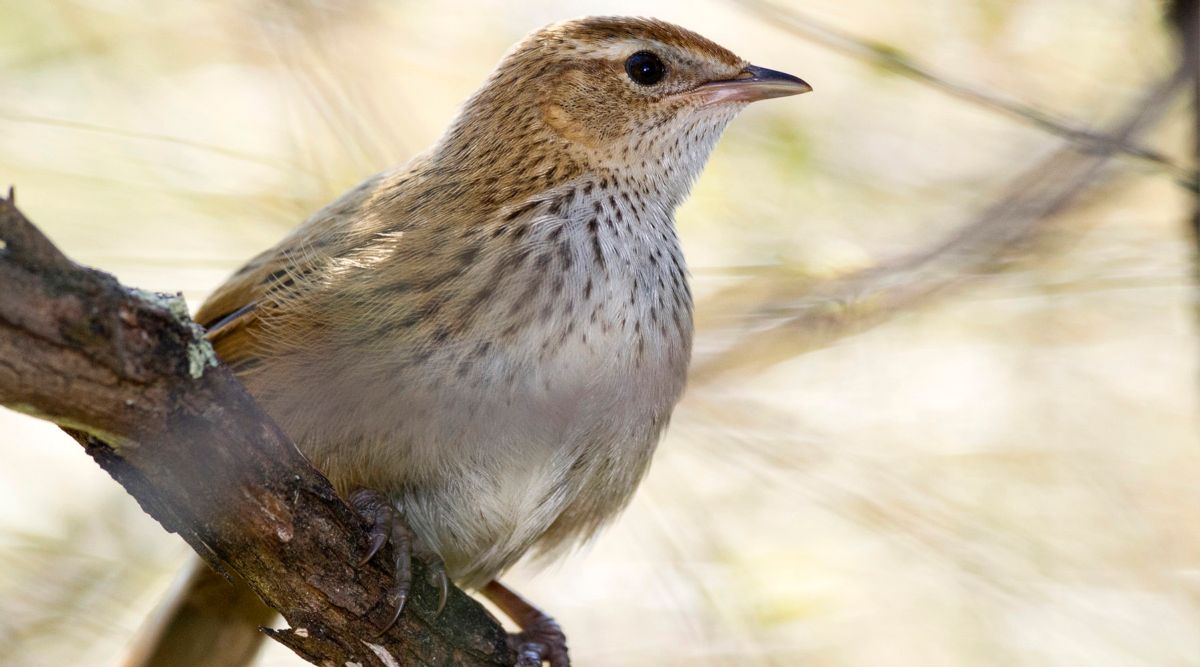
Image result for fernbirdYou might have more chance of hearing Porirua's newest residents than actually seeing them.

A group of "secretive" and at-risk native birds has been re-introduced into Pauatahanui Wildlife Reserve, a habitat they last occupied in the 1980s.

In the first transfer of its kind, about 25 Fernbirds - named for their distinctive tail - were transferred from Taranaki last week, Department of Conservation ranger Lee Barry said.

"They're quite secretive, they act like little mice," she said.

Would-be bird spotters should listen for the bird's distinctive call, a "u-tick" sound given as a duet by members of a pair, she said.

The birds, who look like tiny sparrows with long ragged tails, burrow through dense ground vegetation and were rarely seen by people.

"They also don't fly very well so people should look just above the vegetation which is where they sometimes flutter along."

Apart from a "couple of birds hanging about" in estuaries at Waikanae and Foxton, the breed had been largely absent from the lower North Island.

"In the 1980s there were still a few living at Pauatahanui but a fire destroyed the last of their habitat and the poor little guys had a hard time after that."

The birds were packed into individual carriers stuffed full of grasses to make the long trip south in the experimental move.

Barry said the environment the birds had come from was different to Porirua's so the tiny creatures might not stick around.


continued

Thursday, 22 October 2015

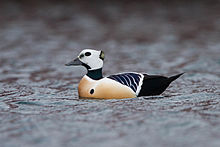
Threatened sea duck may be reintroduced in southwest Alaska

By DAN JOLING | Associated Press – Sat, Oct 17, 2015

ANCHORAGE, Alaska (AP) — A colorful, threatened sea duck whose numbers plummeted in Alaska may be reintroduced to the southwest corner of the state.

Steller's Eider (Polysticta stelleri) (13667966664).jpgFederal wildlife officials are taking public testimony on possible environmental effects of a plan to move breeding pairs of Steller's eiders to the Yukon-Kuskokwim Delta, where the birds once thrived.

Only 11 nests have been found there in the past 18 years. The birds' declining numbers on the delta figured heavily in a 1997 federal decision to declare the species threatened.

The U.S. Fish and Wildlife Service proposal calls for the release of Steller's eiders raised in captivity at the Alaska SeaLife Center in Seward. The agency says it's unlikely a subpopulation of Steller's eiders will re-establish itself without the introduction of captive birds.

Wild Steller's eiders continue to breed on tundra near coastlines in Arctic Russia and on Alaska's North Slope near Barrow, the northernmost community in the United States. The Alaska population is the only one listed under the Endangered Species Act.

Thursday, 28 May 2015

'Huge milestone' for Scotland's white-tailed eagle population

The number of white-tailed eagles in Scotland has reached 100 breeding pairs, marking a "huge milestone" for the re-introduction of the species.

The birds, also known as sea eagles, were absent from the UK for nearly 60 years until the reintroduction programme began in 1975.

It is now 40 years since the first young white-tailed eagles from Norway were released on Rum and 30 years since the first wild chick fledged on Mull in 1985.

The reintroduction programme run by RSPB Scotland and Scottish Natural Heritage (SNH), formerly the Natural Conservancy Council, released 82 young eagles over ten years on Rum.